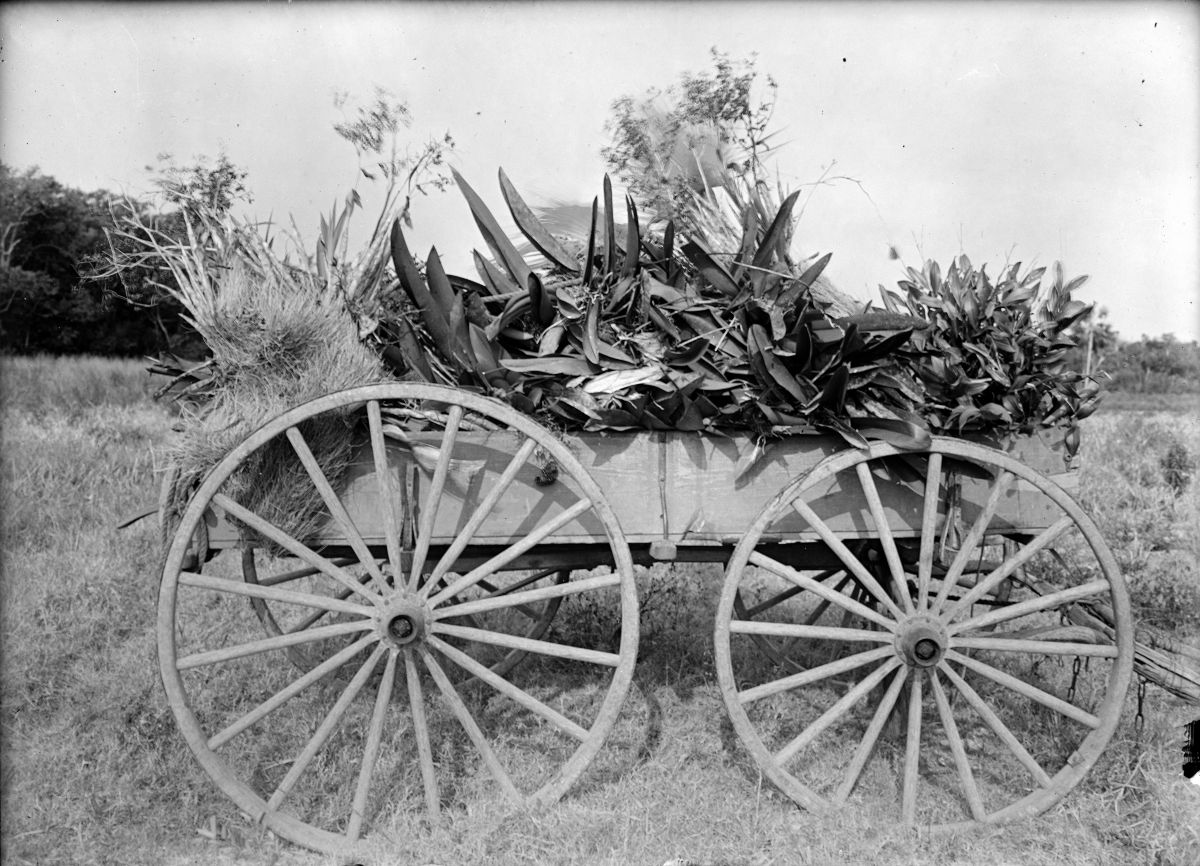
Florida’s Flora in Focus: the Photography of JK Small
This week, we will look at the images captured by renowned botanist John Kunkel Small, who explored Florida for decades documenting its plants and people.
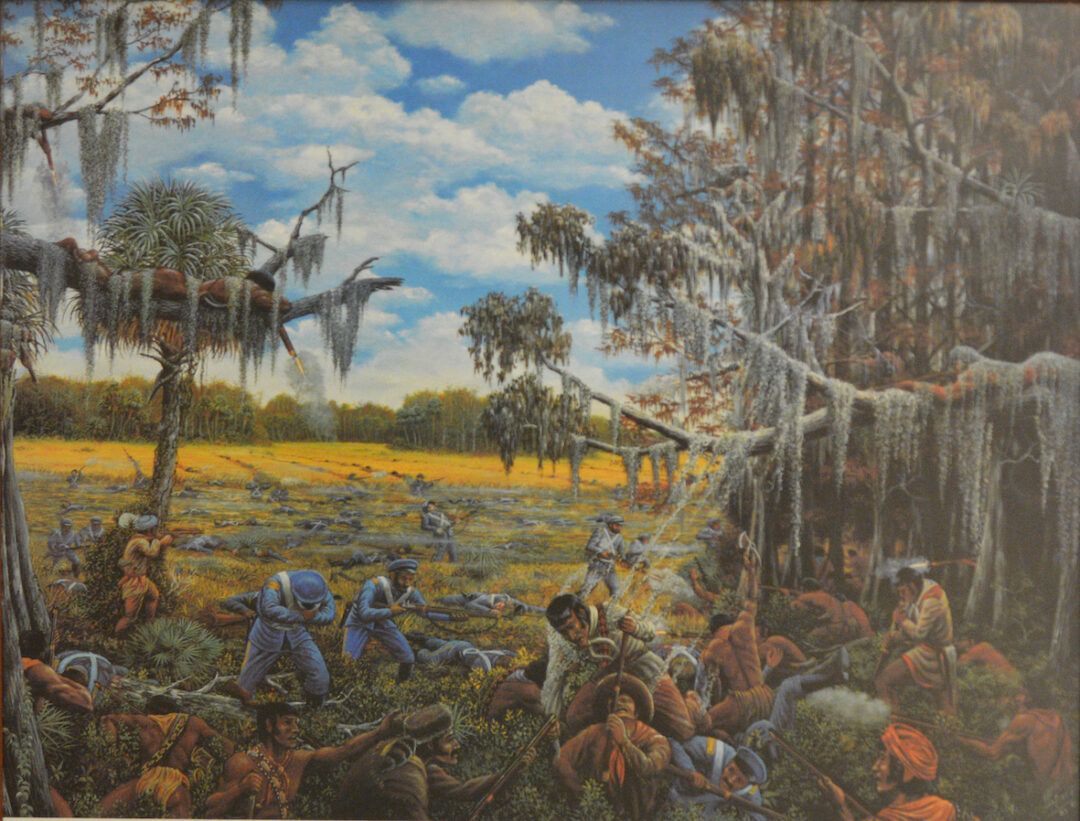
Christmas 1837: Seminole Survival and the Battle of Okeechobee
This week, we are looking at a particular historic moment and space that changed the course of Seminole history, and highlighted their resilience, drive, and sacrifice to stay in their ancestral homeland; the Battle of Okeechobee.
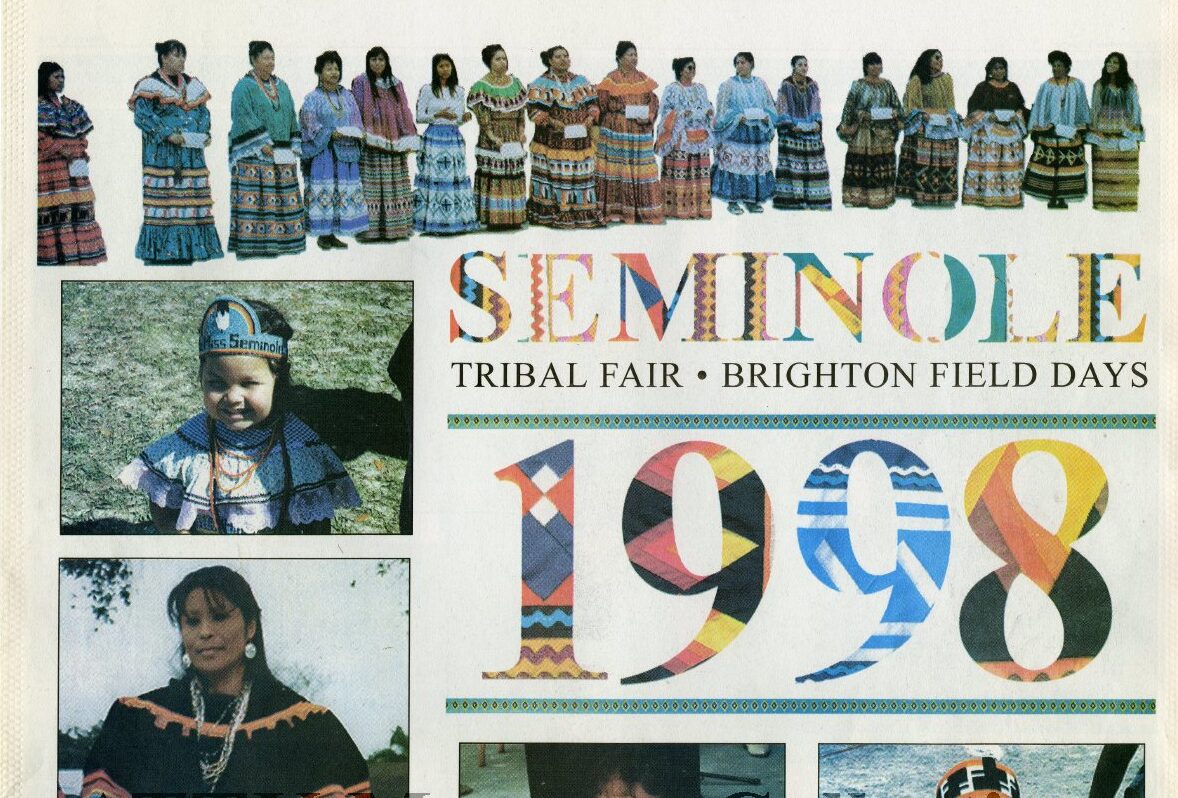
Kickoff to Seminole Festival Season
This week, join us for all the latest details on festival season and three exciting, special events. Dance to the rhythm at the Indigenous Arts and Music Festival, immerse yourself in Native dance at the Seminole Tribal Fair and Pow Wow, and catch the excitement of the rodeo at the Brighton Field Day Festival.
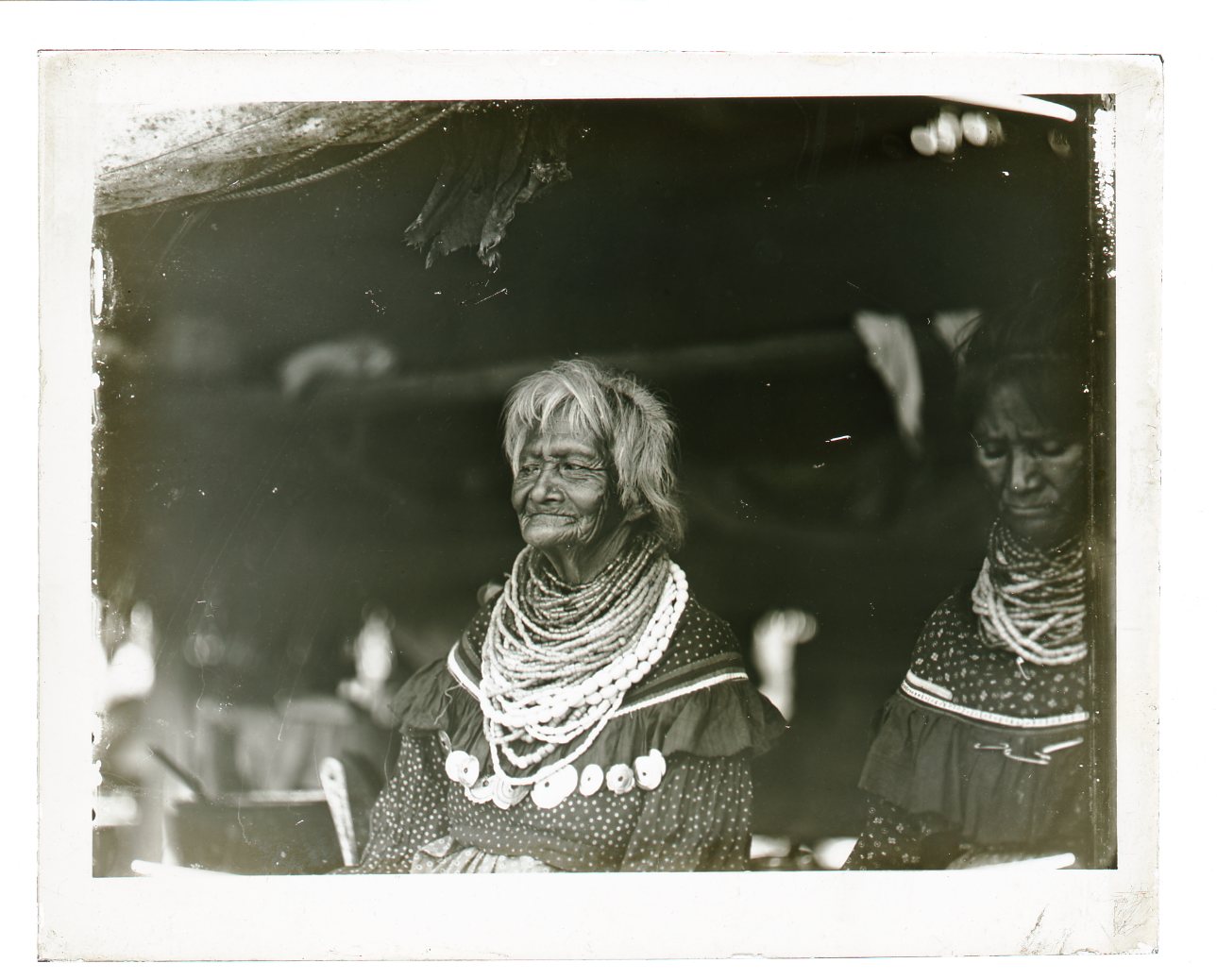
Seminole Snapshots: The “Camera-Man,” Julian Dimock
This week, take a journey back in time with us to a wilder Florida as we look at the Dimock Collection!
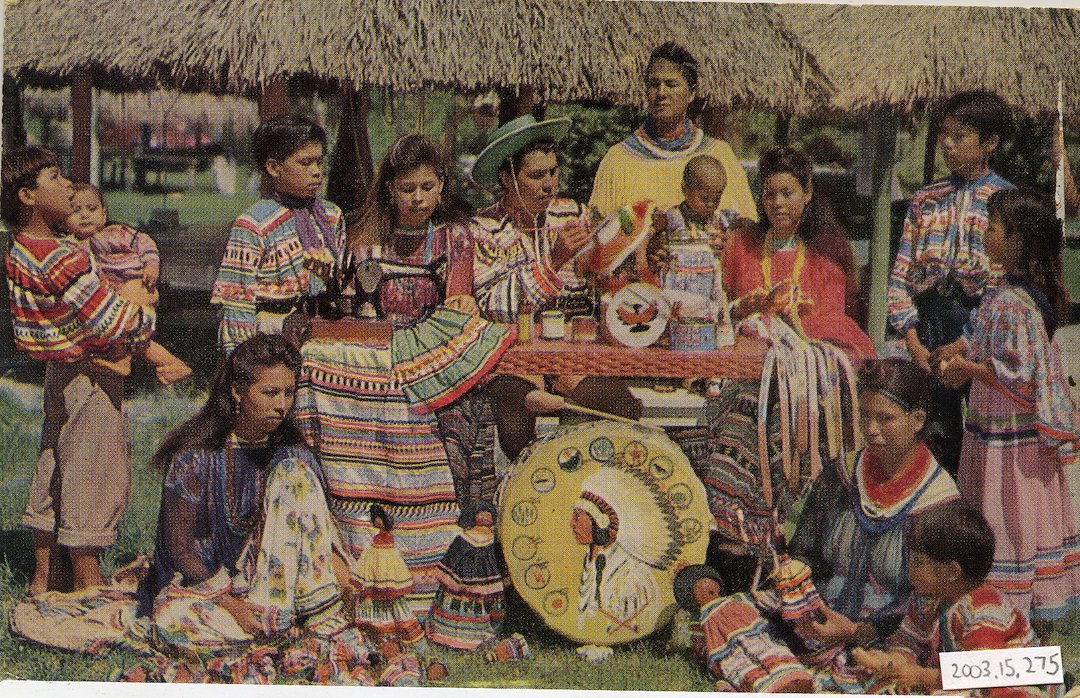
Native American Heritage Month 2023
November is Native American Heritage Month! Join us for local events and resources.
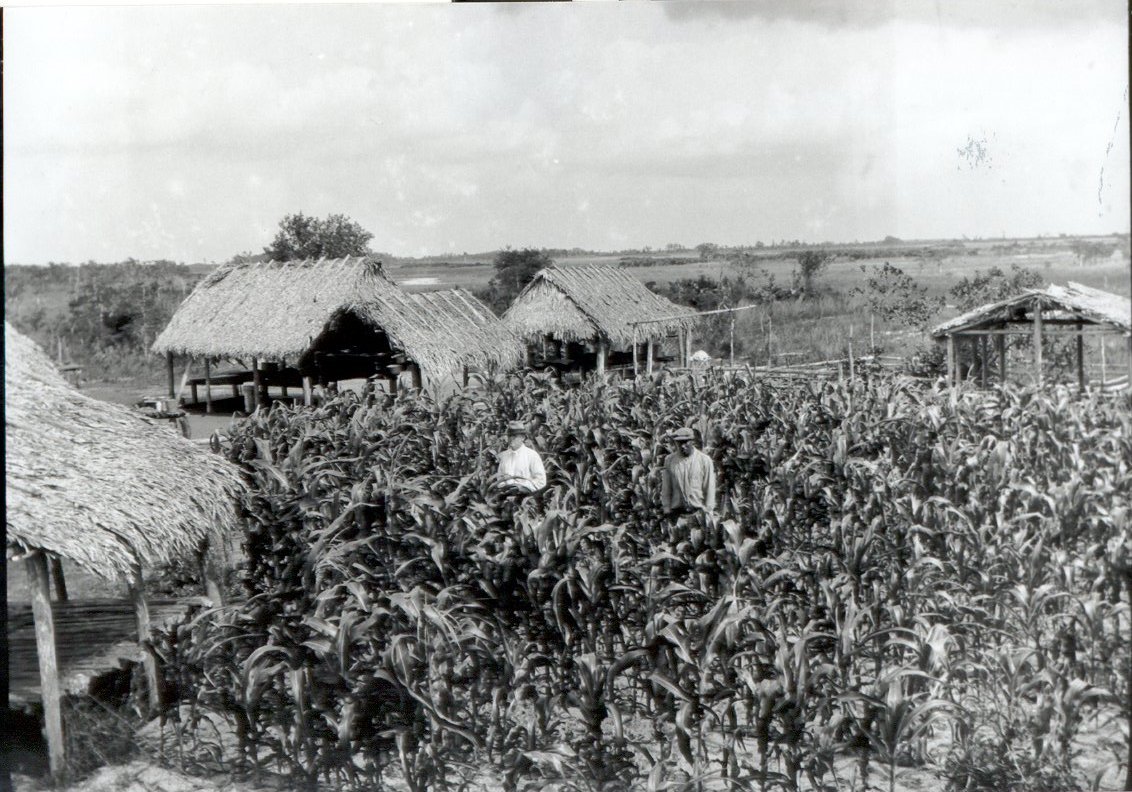
Oh my Gourd! Seminole Pumpkins and Other Uniquely Cultivated Seminole Foods
Last month, we shared some sweet and savory Seminole treats and recipes that you can try at home. As we touched on previously, Indigenous cooking and harvesting represent acts of resistance to the pressures of colonization. Therefore, it is increasingly important to recognize, uphold, share, and support Indigenous cooking methods, patterns of subsistence, and what they represent. This week, we will look at several uniquely Seminole cultivated foods, and how they became important staples in the Seminole diet. We will look at Seminole pumpkins, coontie, and cabbage palm, as well as how Seminole gardens were uniquely designed to thrive in the Florida ecosystem and hide their important food resources. In our featured image this week you can see corn planted in a Seminole camp, probably early to mid 20th century. You can see chickees around it in the background (2007.46.27, ATTK Museum). Below, you can see a Seminole pumpkin. Seminole Foods Although Florida
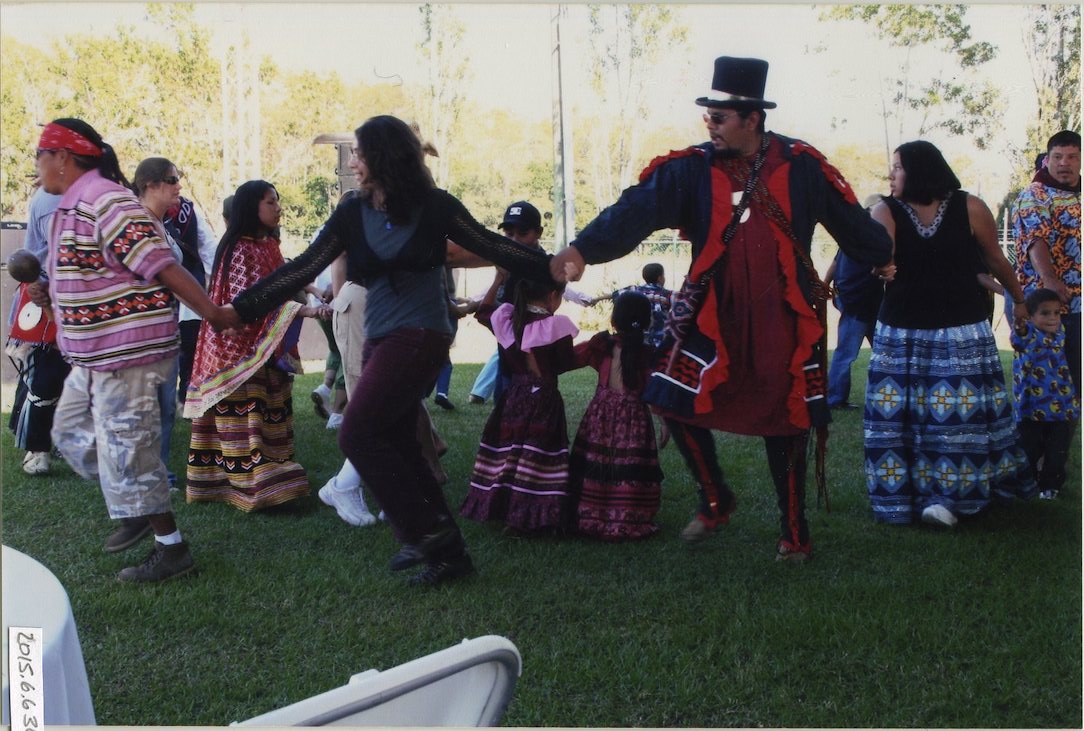
American Indigenous Arts Celebration November 3rd-4th, 2023
It is that time of year again! This year’s American Indigenous Arts Celebration (AIAC) will be held November 3rd and 4th on the Big Cypress Seminole Indian Reservation.
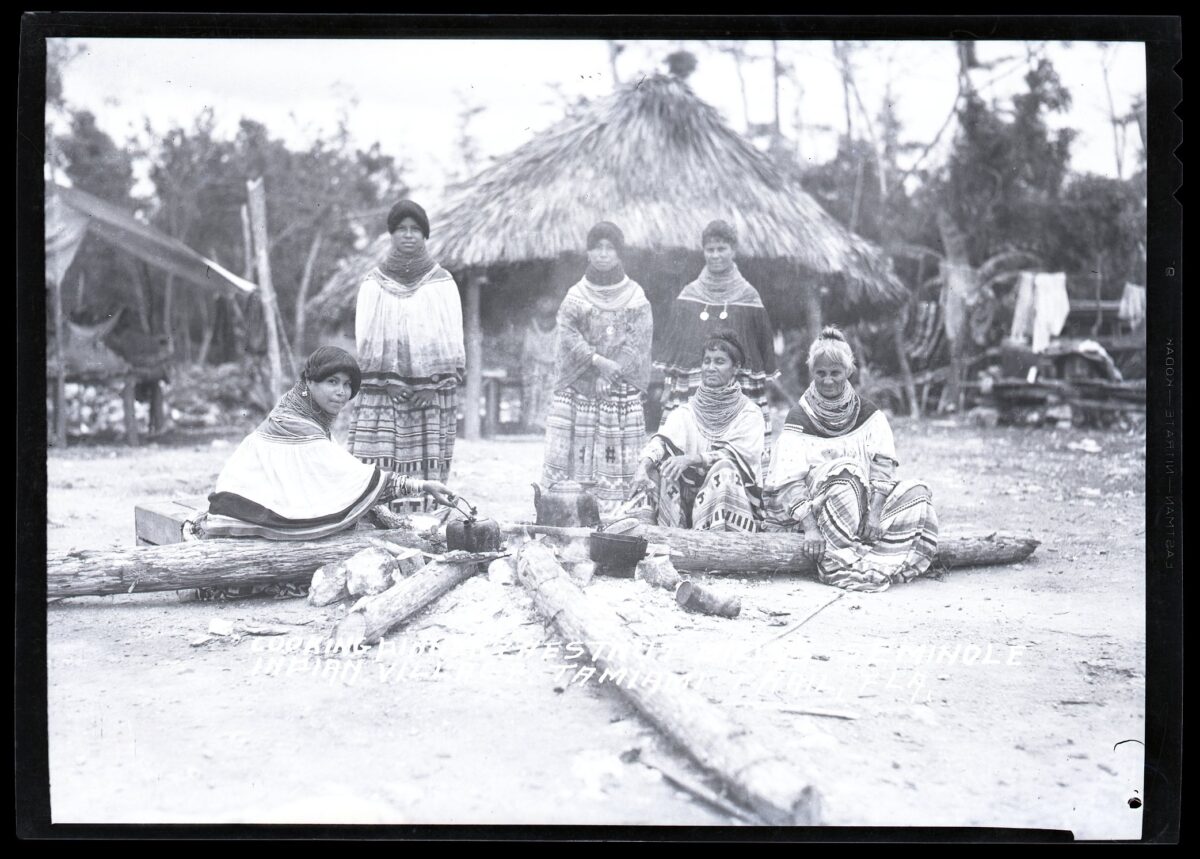
Sweet and Savory Seminole Treats!
Get a closer look at traditional Seminole treats, recipes you can try at home, and how and where you can taste some of these special foods.
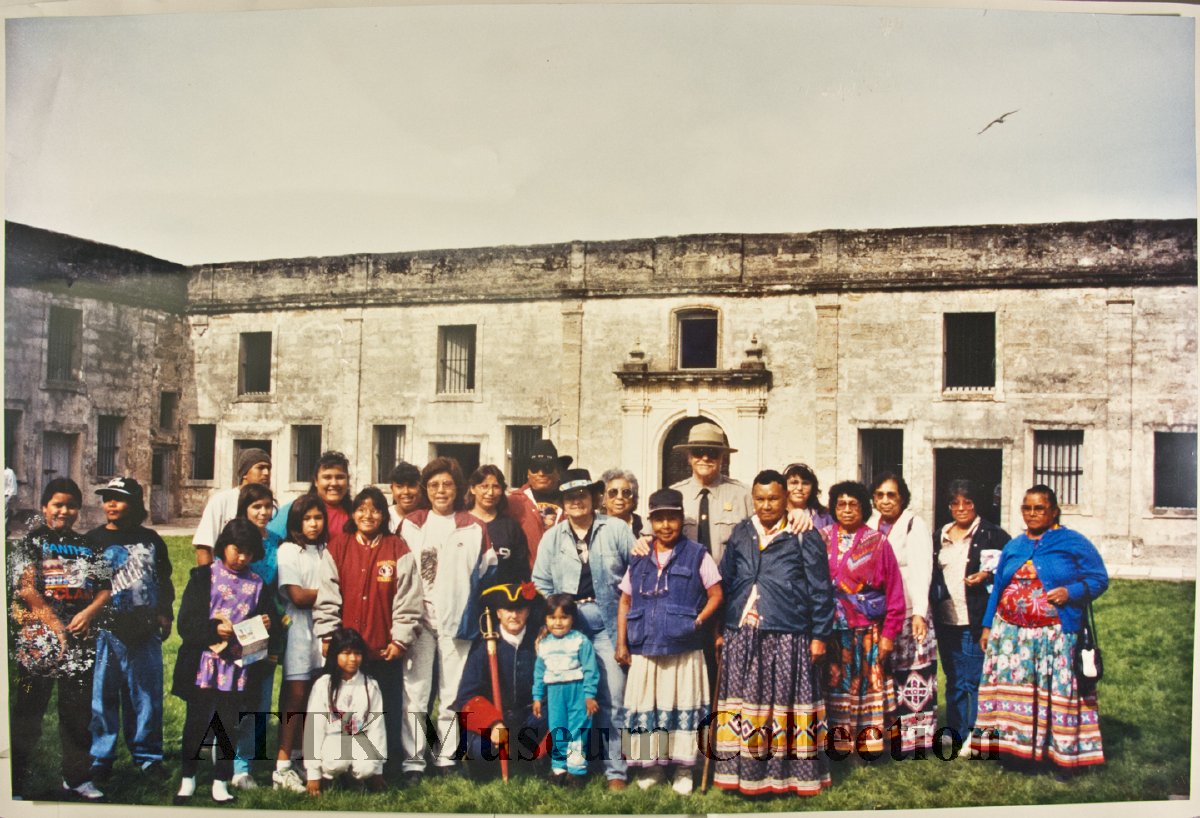
Mystery at Fort Marion
This week, join us to explore the Mystery of Coacoochee's Escape from Fort Marion.
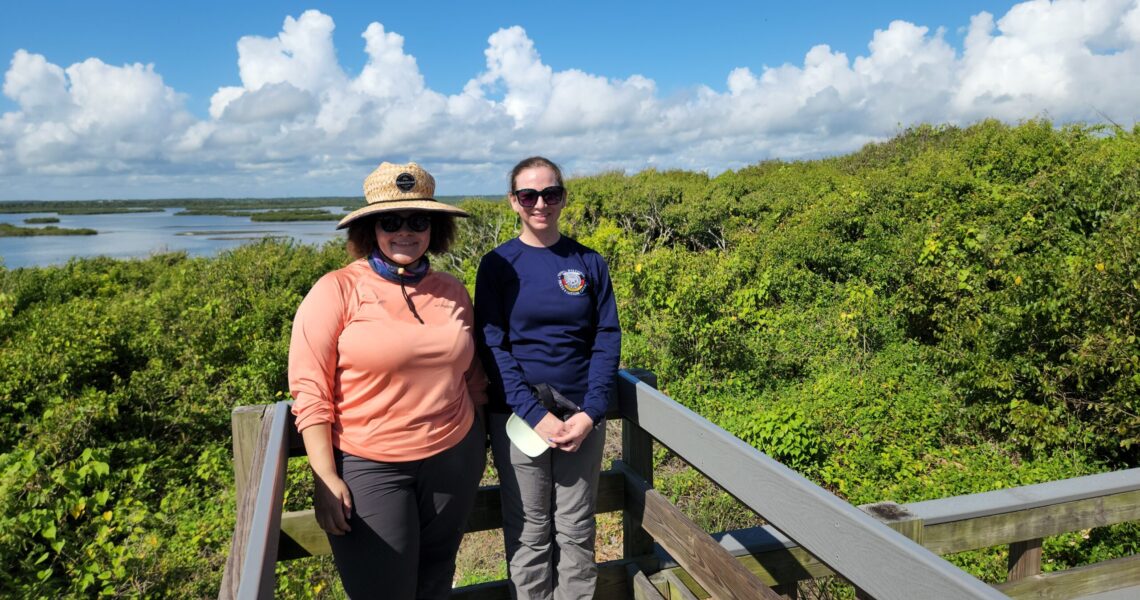
THPO Spotlight: Artifact of the Month
This week, join us as we talk with Samantha Wade, Senior Bioarchaeologist and Lab Supervisor for the Seminole Tribe of Florida Tribal Historic Preservation Office (STOF THPO) about the long-running Artifact of the Month program.