

Teaching from the Heart: Love and Language with Lorene Bowers Gopher
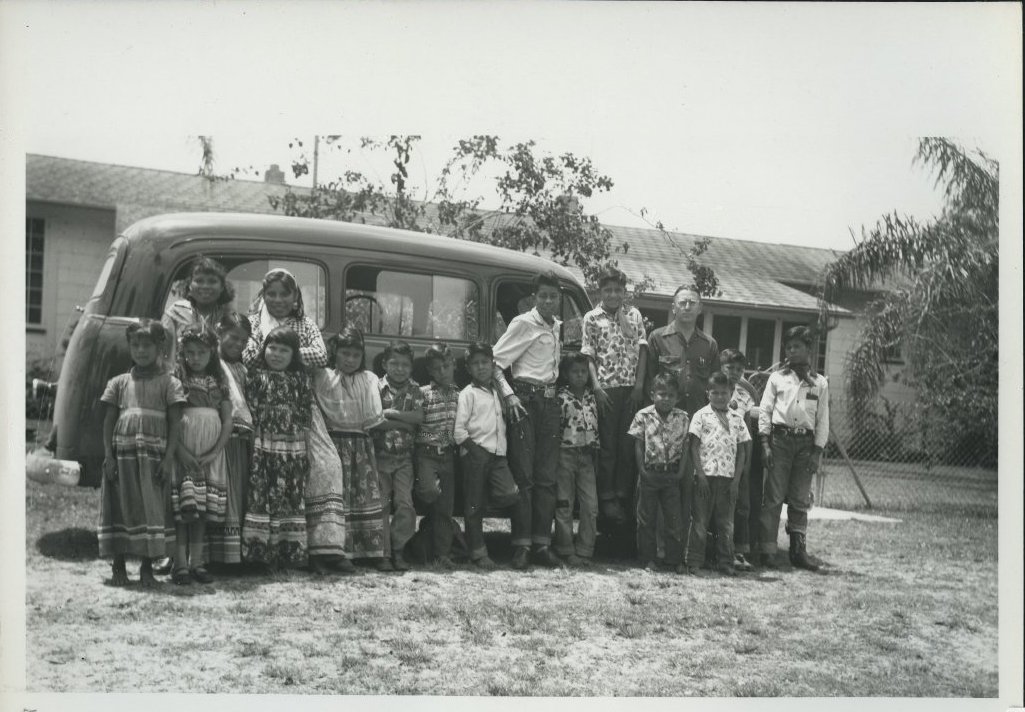
Happy Friday! Throughout March, Florida Seminole Tourism is spotlighting significant Seminole women every week on our blog. In the latest installment of our Women’s History Month series, make sure to grab your backpack and sharpen your pencils! This week, join us to learn more about the incredible Seminole teacher Lorene Bowers Gopher. During her long career, Gopher dedicated her time to education, the preservation of Seminole Culture, and the preservation of the Florida Creek language. In addition, Gopher would become Brighton’s Cultural Program Director. She would develop community programs aimed at preserving Seminole culture, art, foodways, and the Creek language. Today, we will explore Gopher's lasting legacy and witness the enduring impact her passionate teaching had on the education of Seminole children. In our featured image, you can see a group of children lined up at the Brighton Indian Day School, circa 1951-1952. They are (L to R): Josephine Huff, Elaine Johnson,
Faith and Family: The Quiet Legacy of Ada Tiger
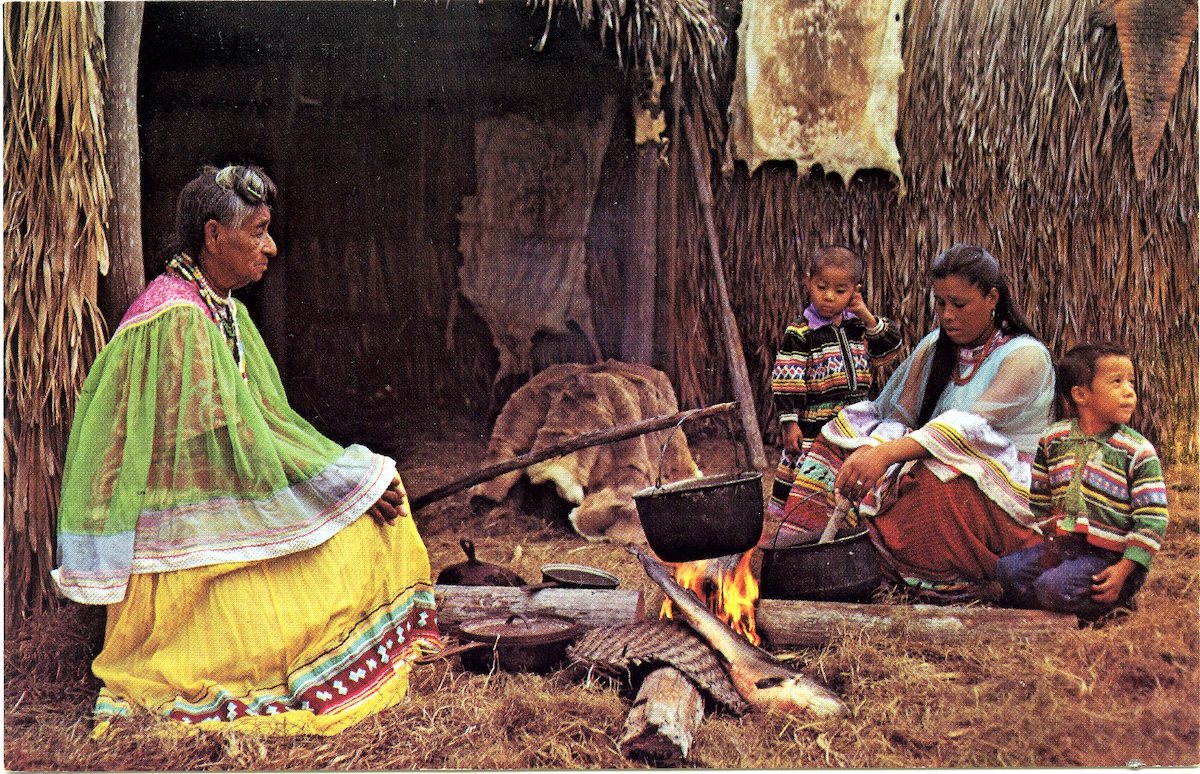
Today is the first day of Women’s History Month! Throughout March, Florida Seminole Tourism is spotlighting significant Seminole women every week on our blog. This week, you will learn about a formidable and resilient cattlewoman. She left a lasting imprint on Seminole history, her family, and Seminole cattle. Our celebration kicks off with none other than Ada Tiger (Snake Clan)! In our featured image for this week, you can see a postcard featuring two women and children around a Seminole camp fire. Ada Tiger sits to the left, and Agnes Tiger and her two sons sit to the right. The original image was taken at Okalee Seminole Indian Village in the 1950s or 60s. Each day, the camp was artificially set up to share traditional Seminole camp life with tourists. Below, you can see an image of Ada Tiger (left) doing beadwork circa 1961. She sits outside of a chickee with
Seminole Snapshots: JJ Steinmetz’ Powerful Candid Camera
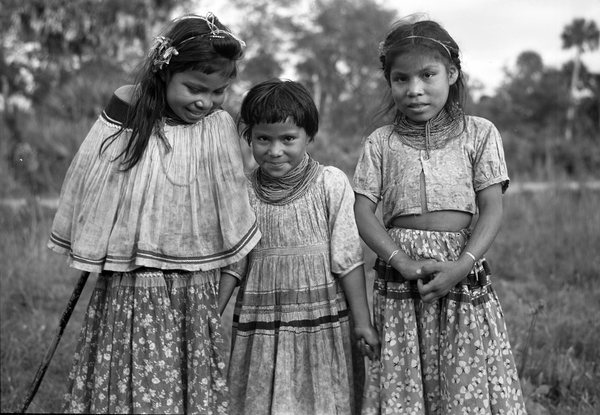
Welcome back to the latest installment in our Seminole Snapshots series. In this series, we look at the impact of photography in preserving and sharing the Seminole story. Previously, we have looked at the works of Julian Dimock, Irvin M. Peithmann, William Boehmer, and John Kunkel Small. This week, we focus on candid snapshots from renowned commercial photographer Joseph Janney Steinmetz. Over the years, Steinmetz snapped numerous shots of Seminoles, also including some important historic moments in history. So, follow along with us below to experience some of Steinmetz’ photographs, and for a peek into Seminole history! In our featured image, you can see three young Seminole girls posing for a portrait. Steinmetz took the image on the Brighton Seminole Indian Reservation in 1948. Often, Steinmetz' snaps are a mix of candids and portraits. Below, you can see a Seminole mother in a dugout canoe with her two sons. They are
A Journey Through Payne’s Prairie
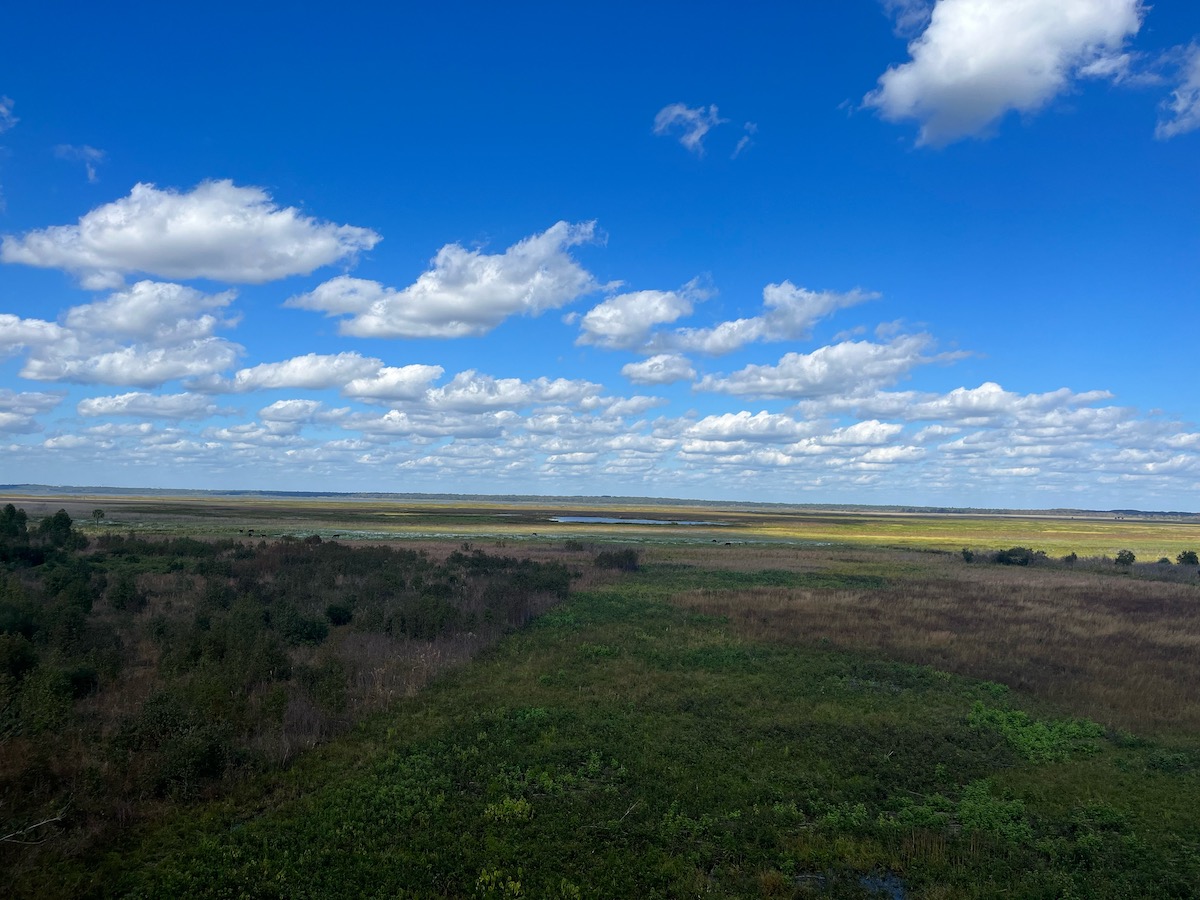
Welcome back to our Seminole Spaces series! In this series, we explore places and spaces important to Seminole culture, history, and tourism. Last week, we talked about Seminole Cowkeepers, and learned a bit about the legendary Seminole Cowkeeper Ahaya. Ahaya amassed nearly ten thousand head of cattle, and drove them on the Alachua savanna near Gainesville by 1775. But, how did this Alachuan savanna become known as Payne’s Prairie? This week, we will explore Payne’s Prairie. There, the Seminole relationship with the land, as well as the landscape itself, has shifted and changed over time. In our featured image this week, you can see a shot taken from the observation tower at the Payne’s Prairie Preserve State Park in 2022. Around 300,000 people visit the preserve annually to take in the wide grassy vistas and marshy woodlands. Home to hundreds of species of birds, fish, alligators, and even bison, Payne’s Prairie
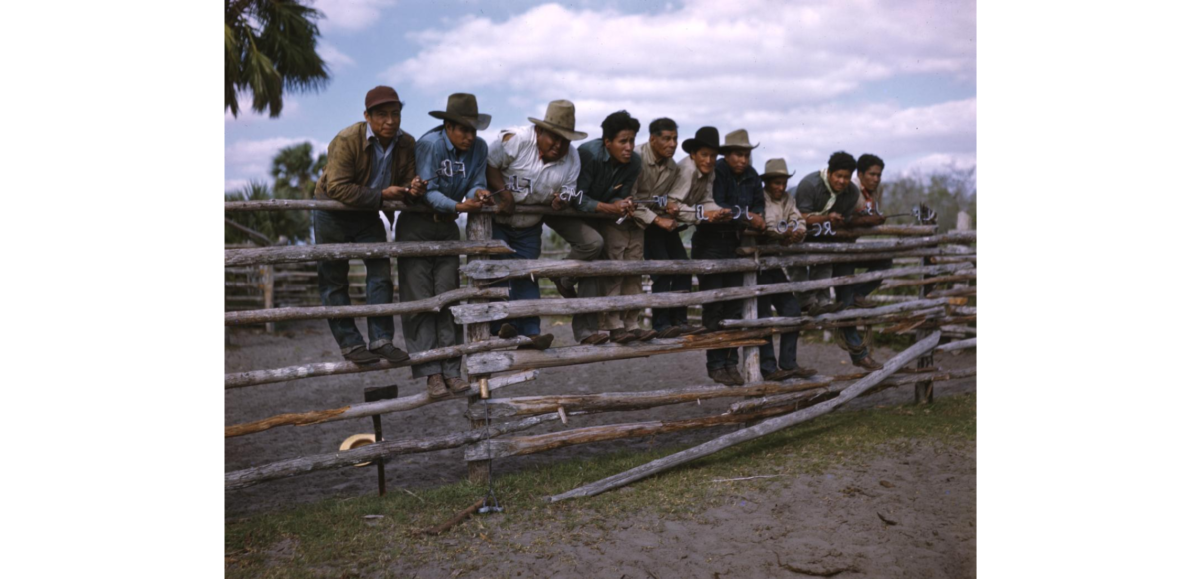
Exploring Cowkeeper’s Powerful Legacy with the STOF-THPO
Join us to explore "Cowkeeper's Legacy: A Seminole Story", a new book from the Seminole Tribe of Florida's Tribal Historic Preservation Office!
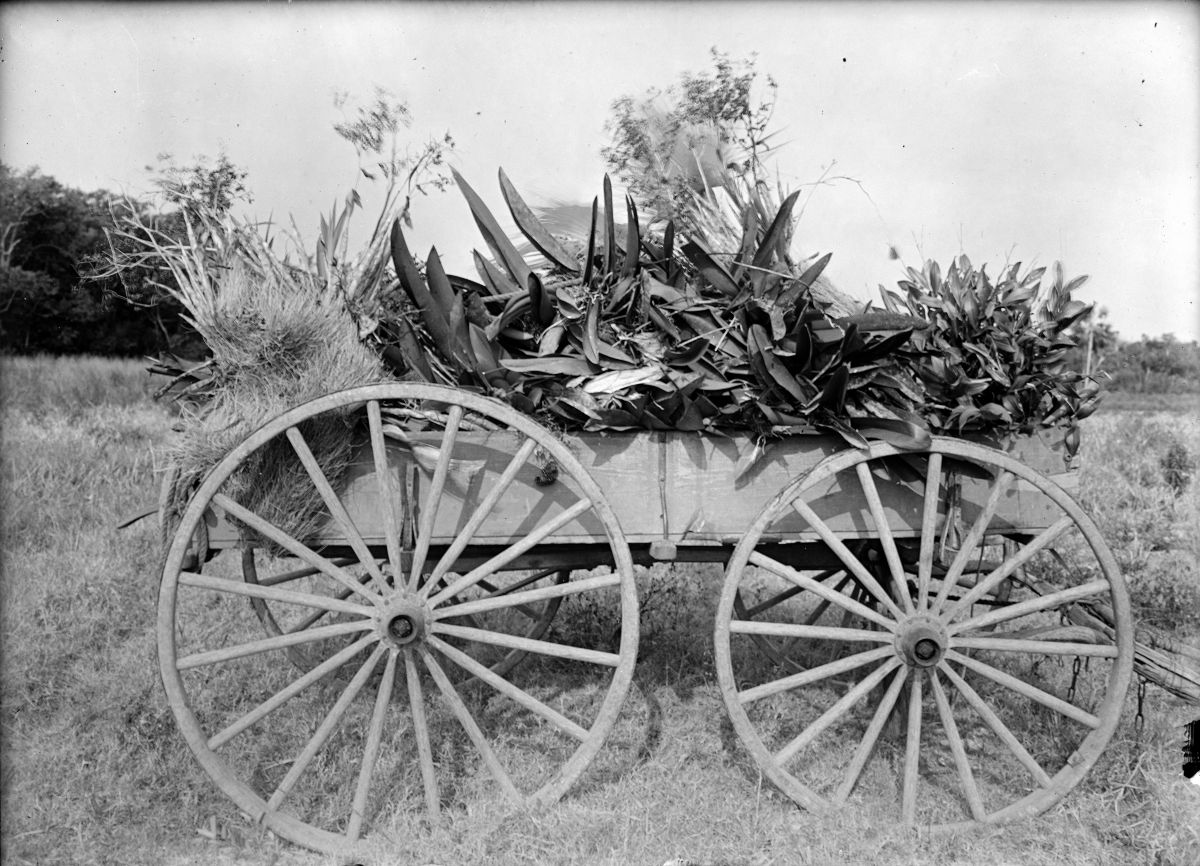
Florida’s Flora in Focus: the Photography of JK Small
This week, we will look at the images captured by renowned botanist John Kunkel Small, who explored Florida for decades documenting its plants and people.
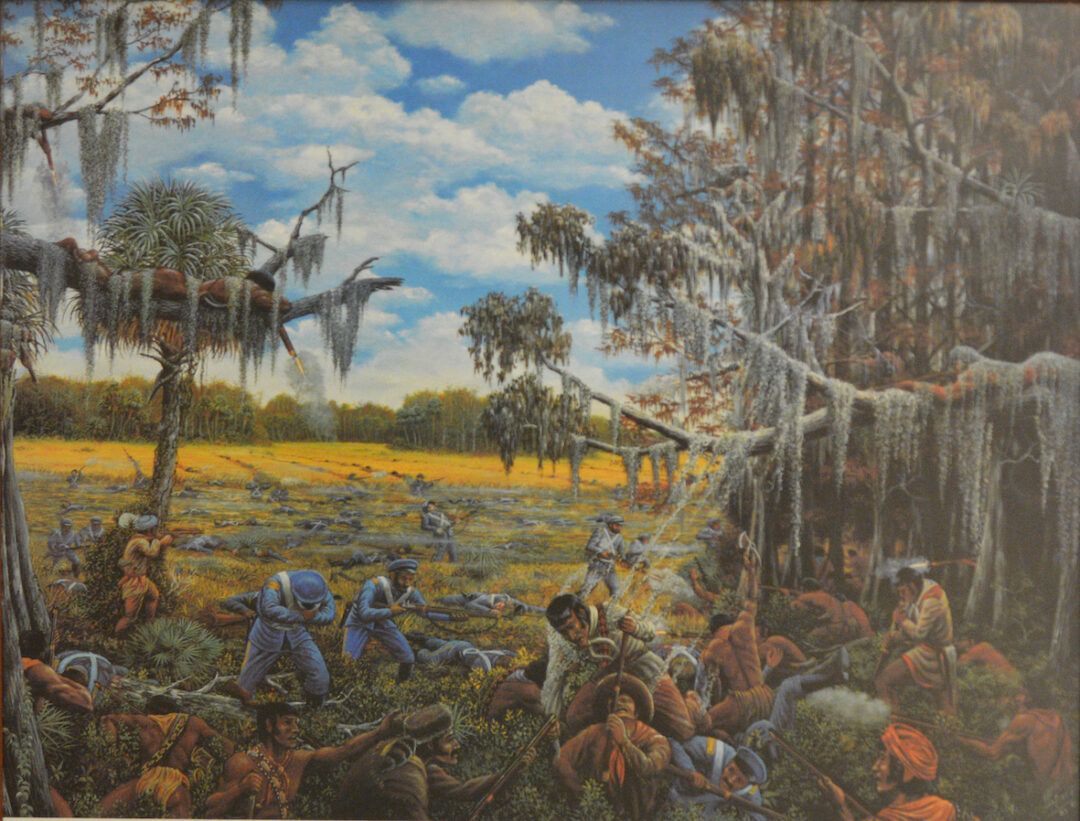
Christmas 1837: Seminole Survival and the Battle of Okeechobee
This week, we are looking at a particular historic moment and space that changed the course of Seminole history, and highlighted their resilience, drive, and sacrifice to stay in their ancestral homeland; the Battle of Okeechobee.
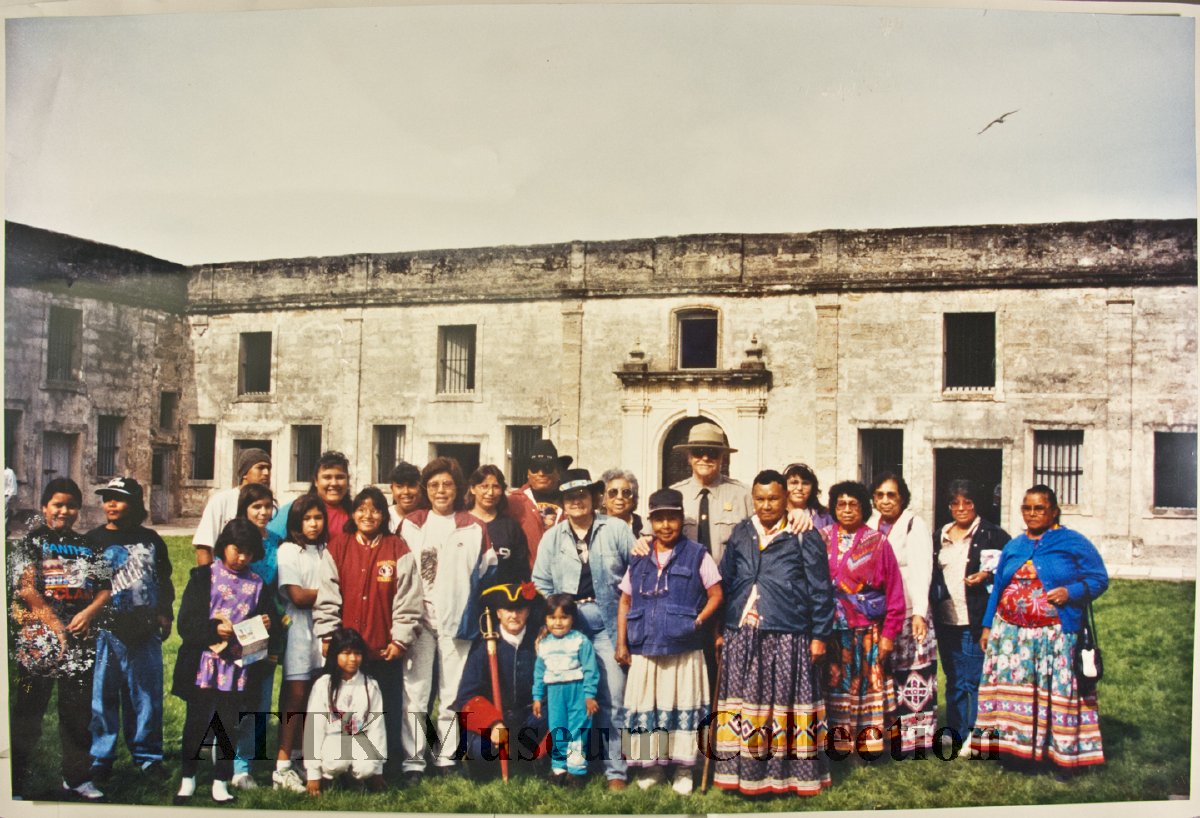
Mystery at Fort Marion
This week, join us to explore the Mystery of Coacoochee's Escape from Fort Marion.
The Devil, Abiaka: The Legacy of Sam Jones
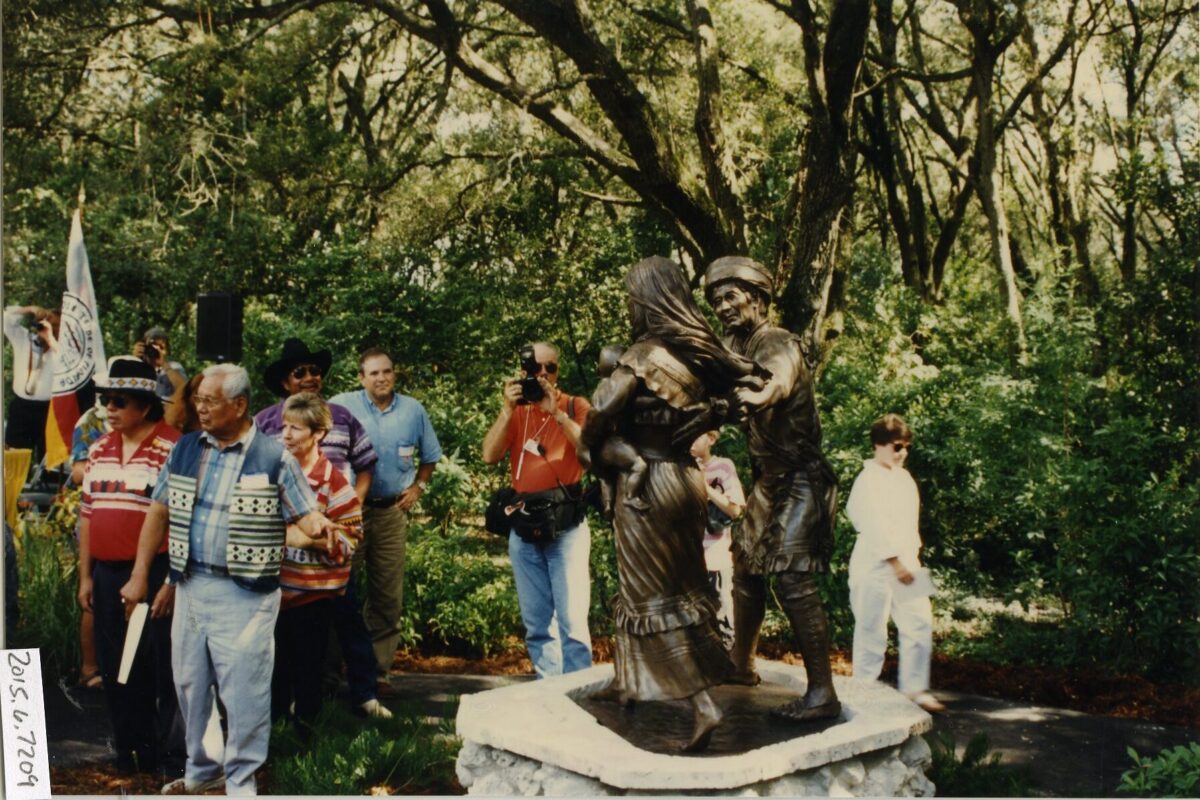
This week, join us to learn about the life and legend of Abiaka. Also known as Abiaki, Arapeika/Aripika, Sam Jones, or just “The Devil,” Abiaka was a fierce Seminole wartime leader, medicine man, and spy.
Seminole Music, Language, and Legacy
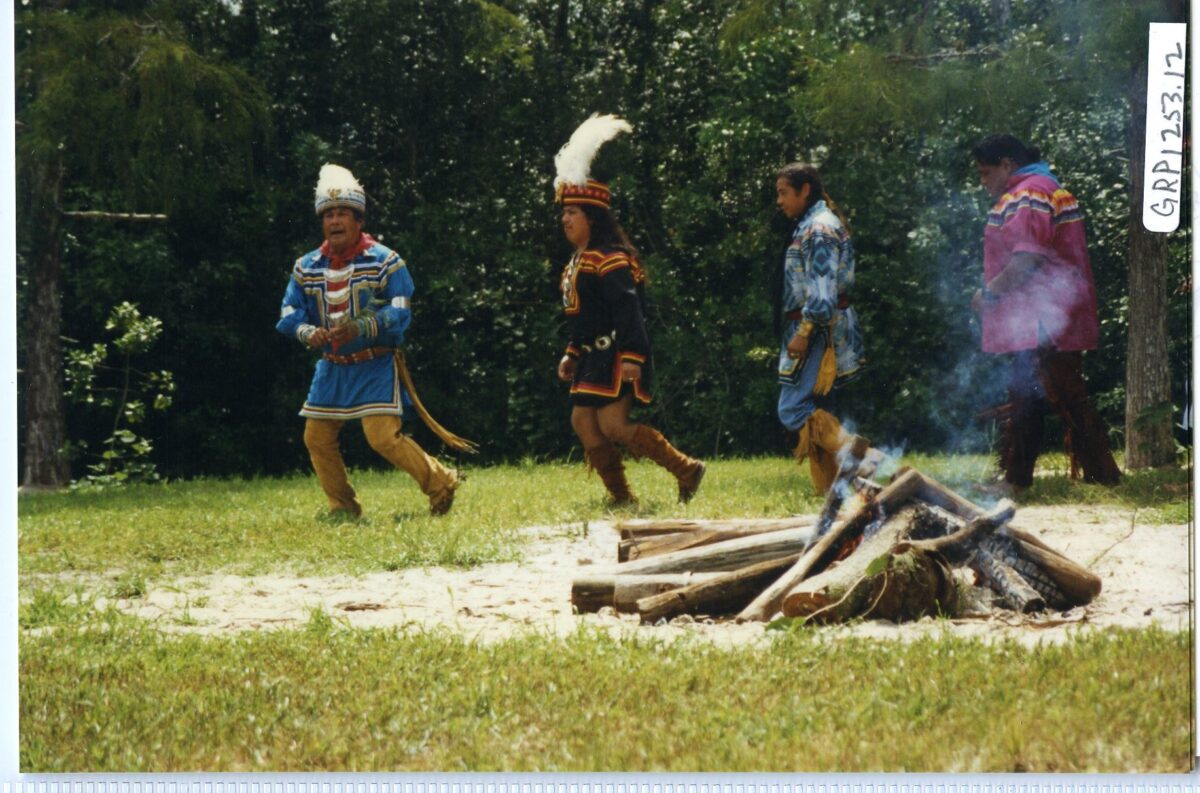
Even before the modern rock empire of the Seminole Hard Rock, music has been closely tied to Seminole culture, identity, and history. Seminoles use music for social, political, and educational purposes. Significantly, they pass down stories, legends, and even language through song. This week, we are exploring the legacy of Seminole music, and how it has shifted and changed over time. Additionally, at the end of the post, we will look at a handful of modern Seminole artists, and current Seminole representation in music. Above, you can see Dr. Judy Ann Osceola, Pauline (nee Jumper, married name unknown), Judy Baker, Mary Louise Johns (nee Jumper), Priscilla Sayen, and Judy Bill Osceola (with guitar). Occasionally, the women were asked to sing at events as a show of support for the newly formed government of the Seminole Tribe of Florida in the late 1950s. Seminole Music In our featured image this week, you can see